


While it may feel uncomfortable to step back, it’s a necessary step in their potential recovery—and in the end, they will thank you for doing that. Many enablers think they’re acting out of love, but loving a person actually means giving someone the space to stand on their own. Spoon-feeding an addict by making their life easier isn’t helping them—it’s keeping them from facing the reality of their choices and making different decisions. Many people choose not to believe this, but that doesn’t make it any less true. Once you can really grasp the reality of this concept and live by it, your life will become much easier. There are effective ways to deal with the addicted person in your life, just as there are ways that are not only ineffective but can also be dangerous.
How Addiction Affects Relationships
- At the beginning of the relationship, the narcissistic person appears sincere in their wanting to learn more about you.
- Being in love with an addict, or having a parent or child who is an addict means that you’re often going to feel heartbroken because of their actions.
- Tough love does not mean cutting them off and throwing them away.
- If two addicts are in a relationship, they would likely need someone outside of the relationship to step in and hold an intervention.
By seeking professional help and engaging in appropriate addiction treatment, individuals can repair damaged relationships and rebuild trust. Treatment offers the opportunity for personal growth, self-reflection, and learning healthier coping mechanisms. With the support of licensed professionals, individuals can navigate the complexities of addiction, regain control of their lives, and commit to the path of recovery. In short, professional help is crucial in rebuilding trust and fostering healthier relationships affected by addiction. Residential rehab, another form of addiction treatment, offers an immersive and intensive approach to recovery. In a residential setting, individuals reside at a treatment facility and engage in individual therapy, group therapy, family therapy, counseling, and various evidence-based interventions.

The Three Phases of Alcoholism
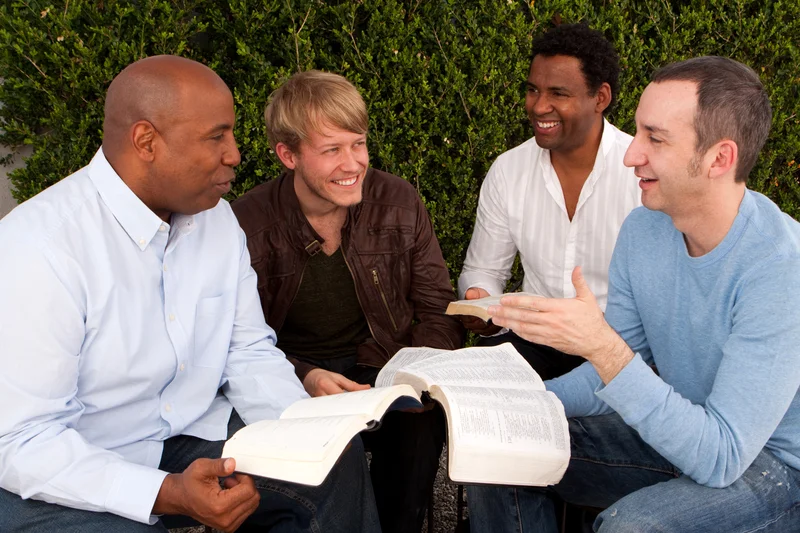
Your life has undoubtedly been filled with stress and uncertainty as you watch someone you love spiral into addiction. Many times, people come out on the other side of addiction into a better, more fulfilling life. Until that time comes, here are some tips for living with an addict as well as some hard truths you need to face. Enabling may look like love because it keeps loved ones in active addiction from suffering emotional consequences. However, those uncomfortable emotions are exactly what your loved one needs to seek out help. This approach essentially keeps them sick, and to do so simply to relieve our own discomfort at their suffering through the growth and healing process is the opposite of selfless.
How To Help An Addicted Loved One
One of the biggest reasons that cause family members to continue enabling behaviors is the fear of letting go and the fear of no longer feeling needed in the relationship with the addict. They are scared that if the other person gets better, their purpose of being a caretaker may be taken away from them. Sometimes, no matter what you do to support your partner, their substance use has progressed to the point where they are unable to make rational decisions to cease their substance use. It may be necessary to seek legal assistance to save your loved one’s life.
- Substance use disorder may sometimes impact a person to the point of risking their job or housing.
- Sometimes, no matter what you do to support your partner, their substance use has progressed to the point where they are unable to make rational decisions to cease their substance use.
- Bringing the idea up from a place of kindness and compassion is the best way to address it.
How to Set Boundaries & Reclaim Your Life
It takes work to undo years of unhealthy strategies that have compromised the family’s sanity and the addicts’ recovery. The addict will not become well in one day, and neither will the family. An enabler can best change their behaviors by detaching and entering https://ecosoberhouse.com/ their own recovery program to uncover why it is they feel the need to enable and what they are receiving from helping another person.
Use of this site constitutes acceptance of Sober Recovery’s « Terms of Use », « Privacy Policy », « Cookie Policy », and « Health Disclaimer ». The material on this site is for informational purposes only, and is not a substitute for medical advice, diagnosis or treatment provided by a qualified health care provider. It is helpful for families to understand that they are in no position to control their loved one nor are they in a position to get them better. We try to help families understand this and allow them to see things from a different perspective. Certain family roles, such as the perfectionist hero, are threatened by the substance marijuana addiction user getting better.
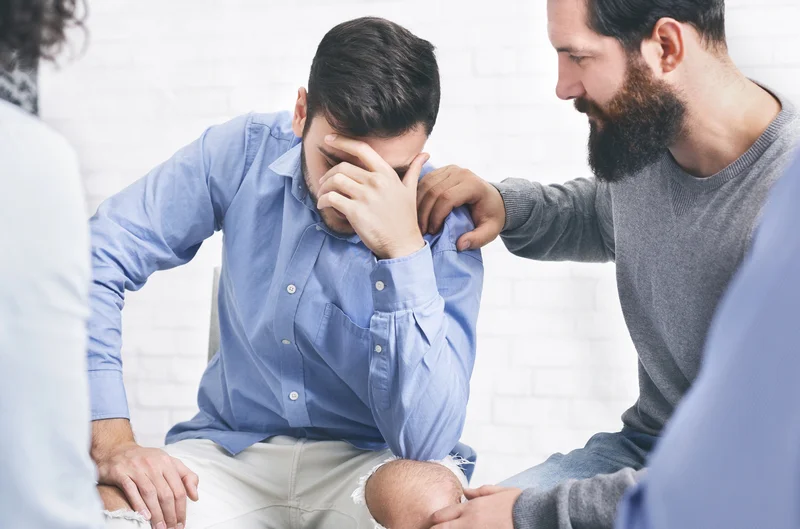
Fear of Intimacy
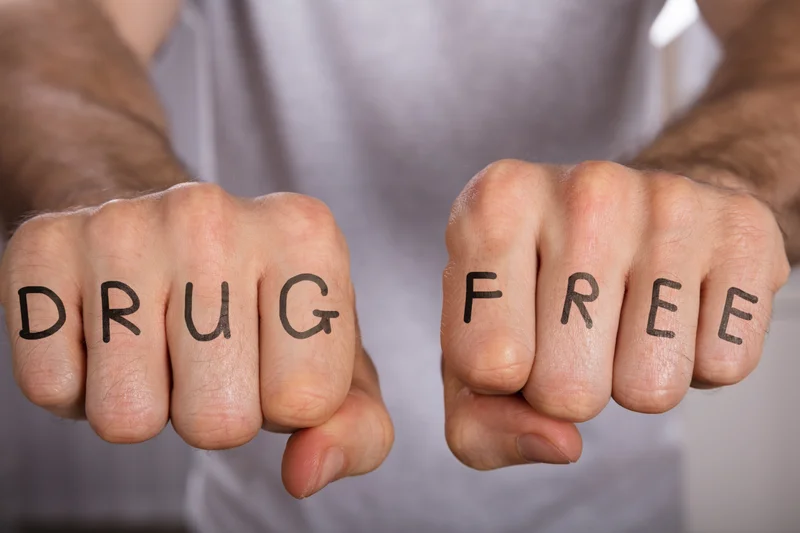
You can start by letting them know you deserve a certain level of respect and should not be verbally abused or lied to. Most importantly, stop enabling your addicted loved one by giving him money or a place to stay when he has exhausted all of his own resources for drugs. loving an addict Take the time to have a serious conversation with your loved one and lay down basic ground rules. Seeking professional help for addiction and substance use disorder is extremely important for those struggling with substance abuse.